|
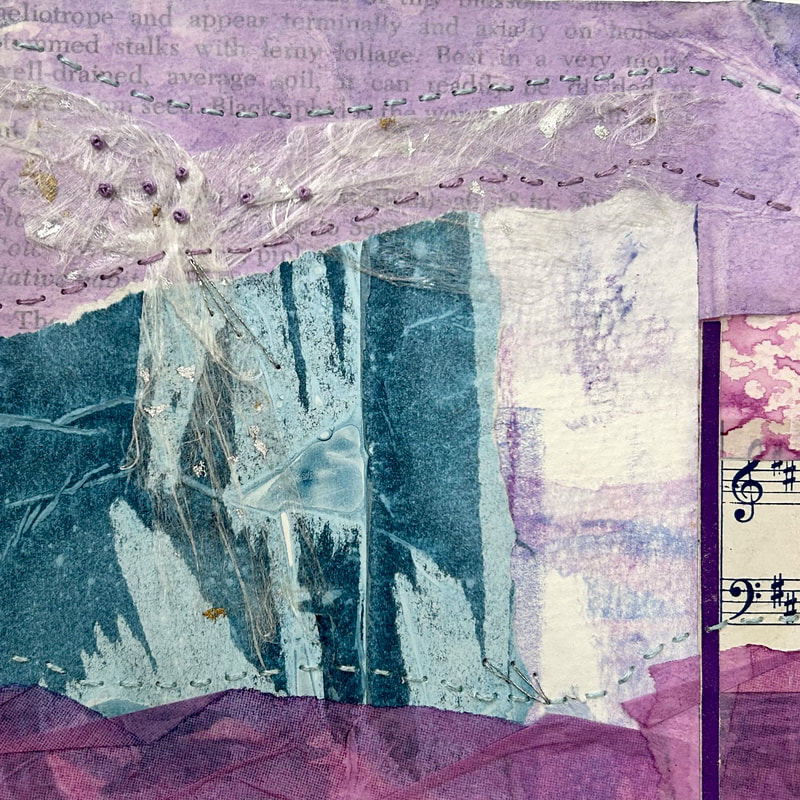
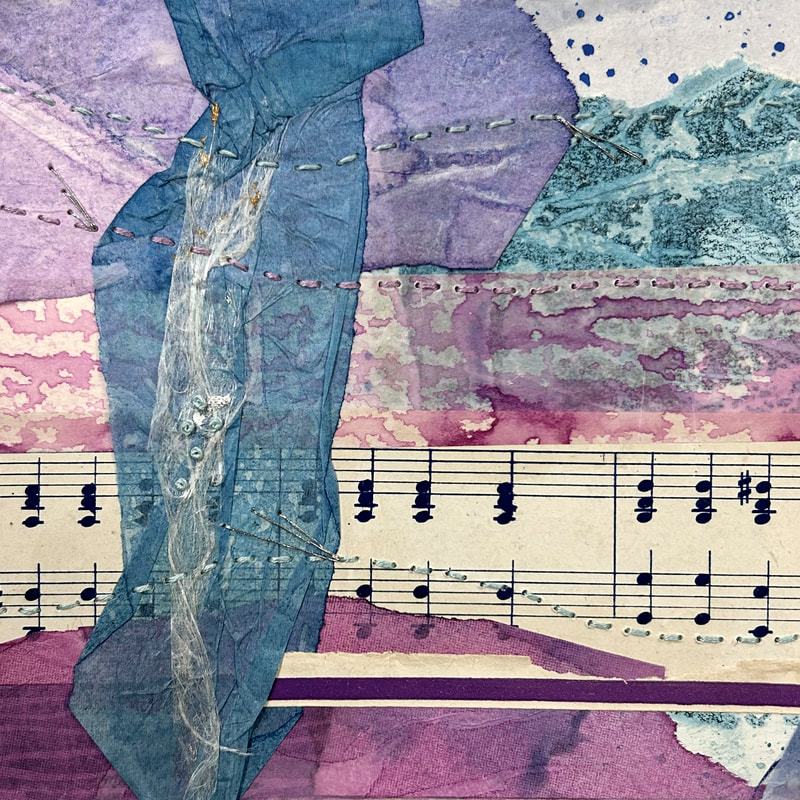
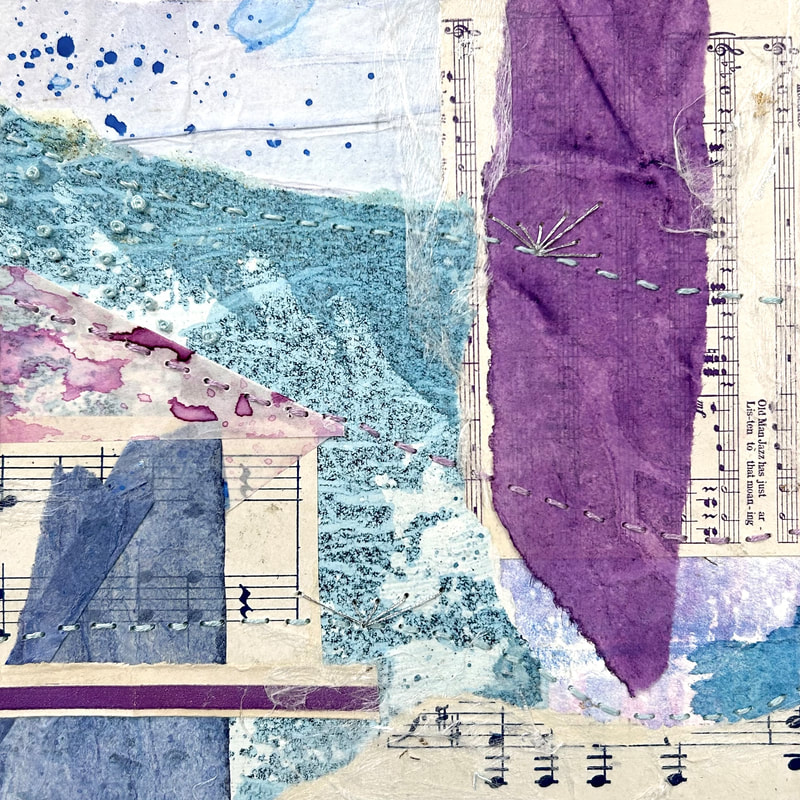
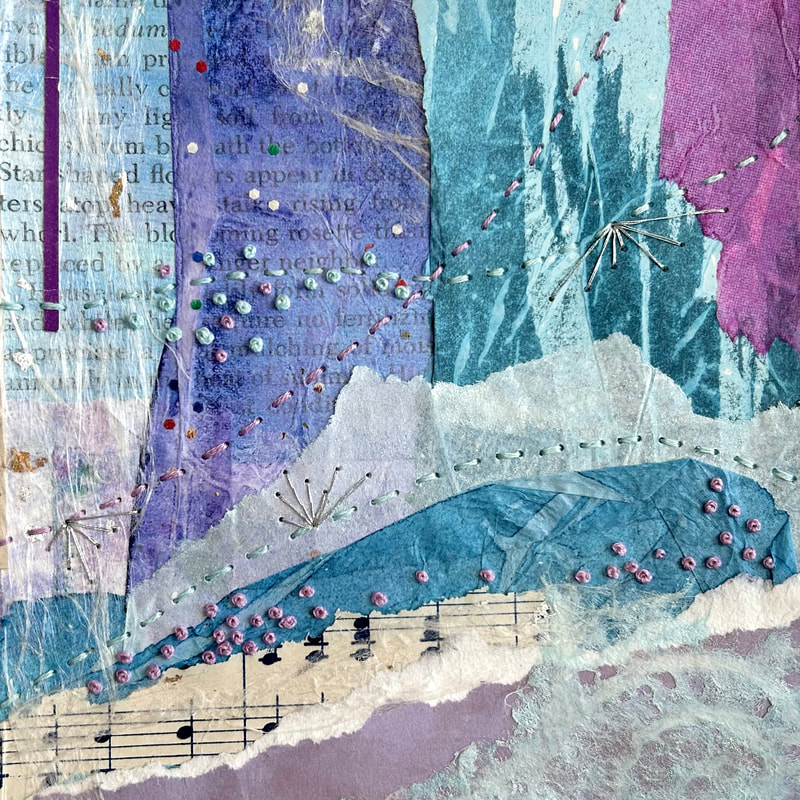
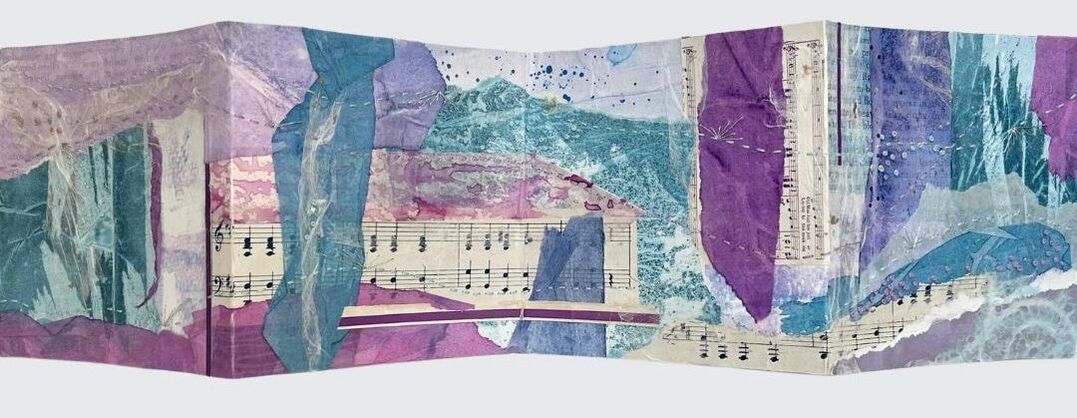
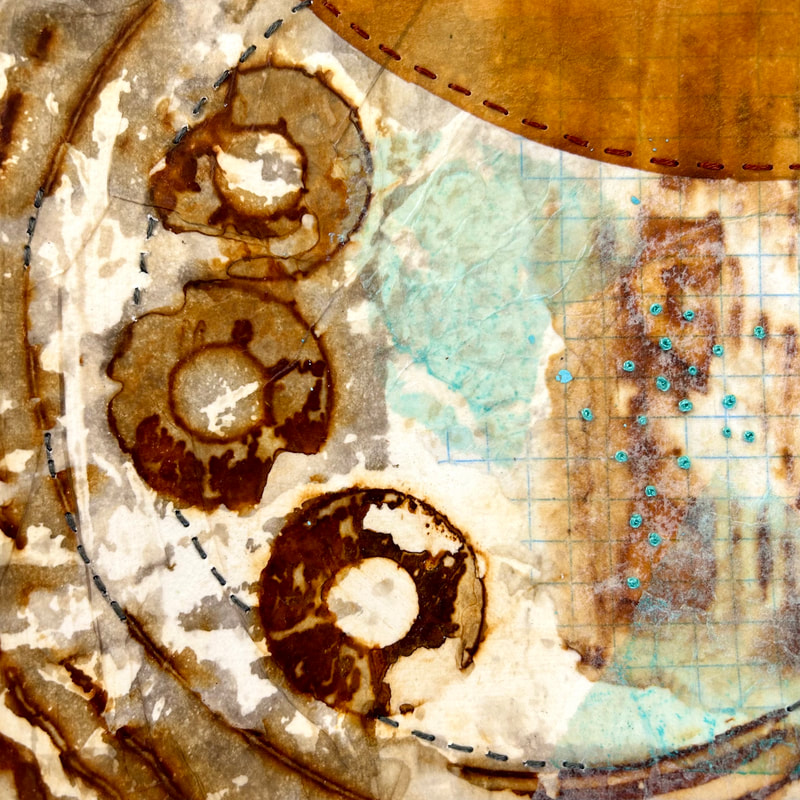
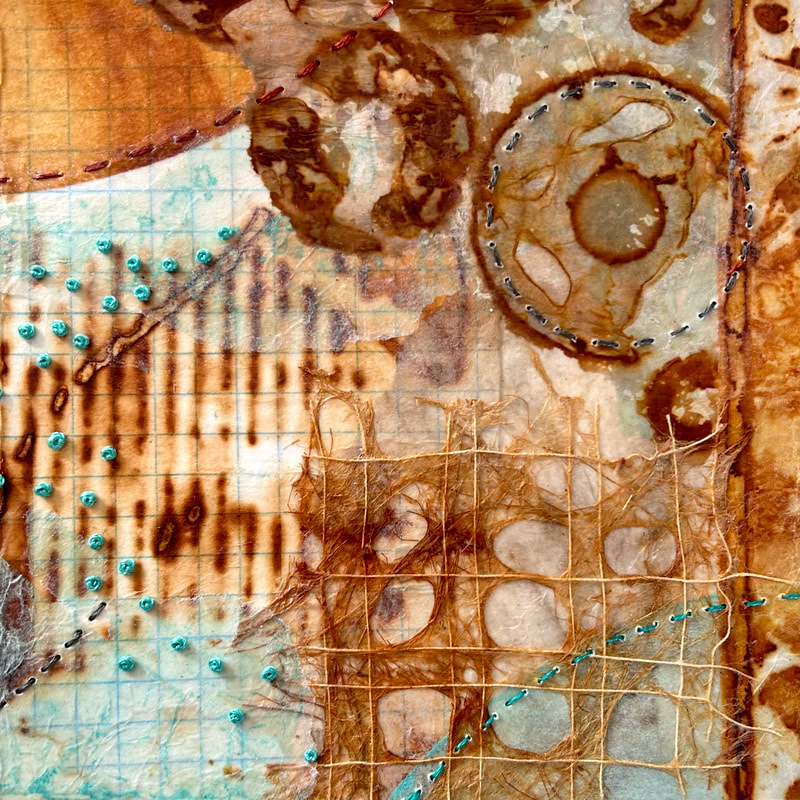
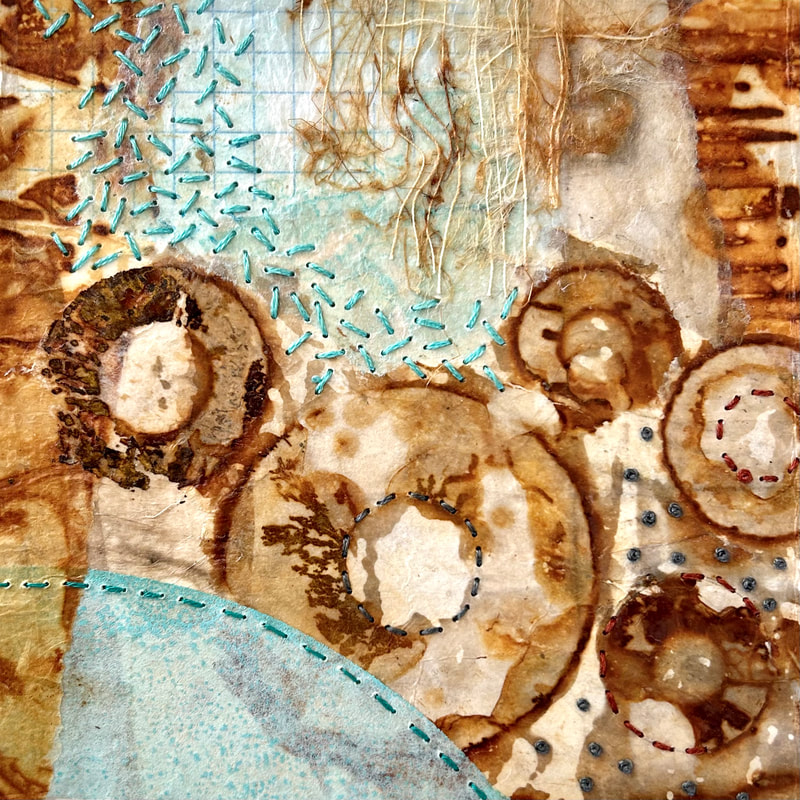
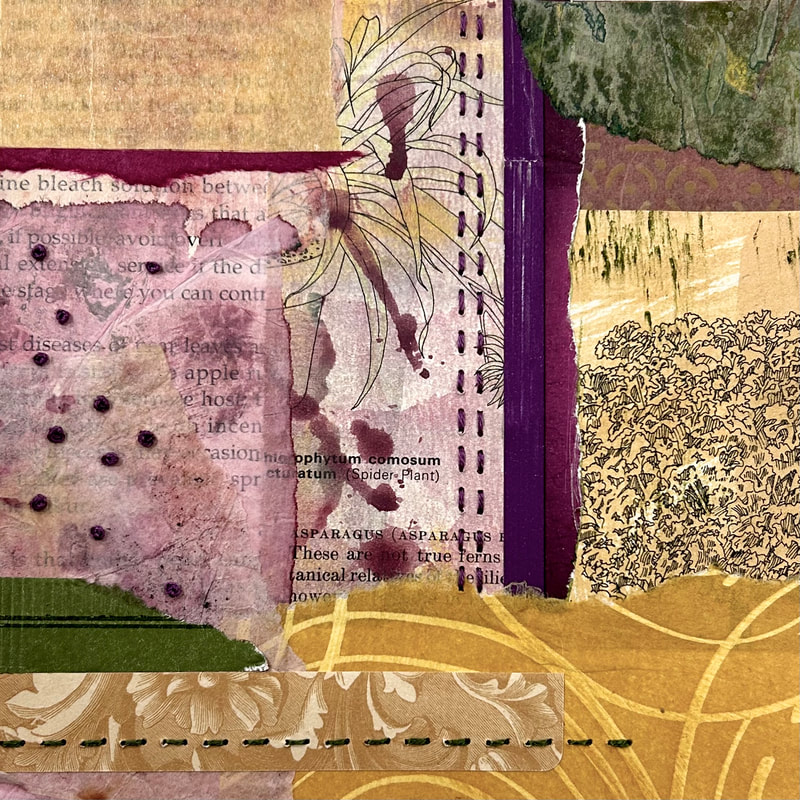
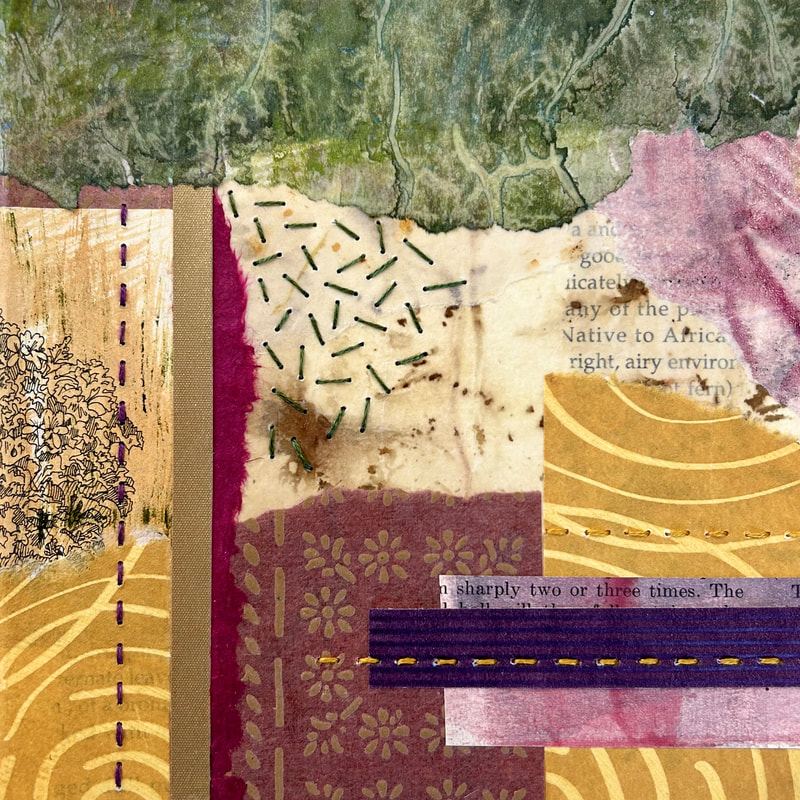
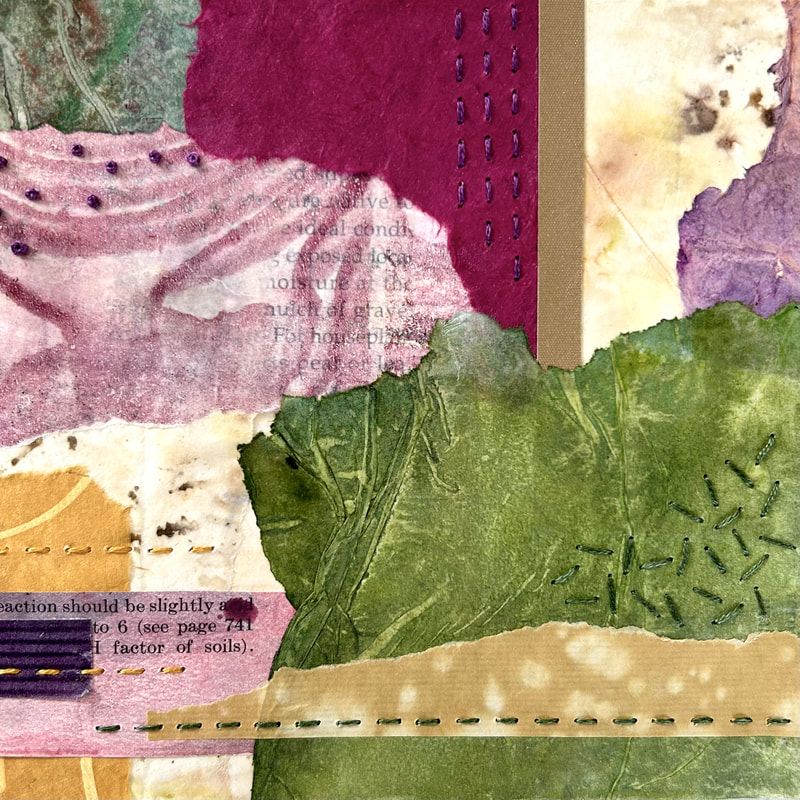
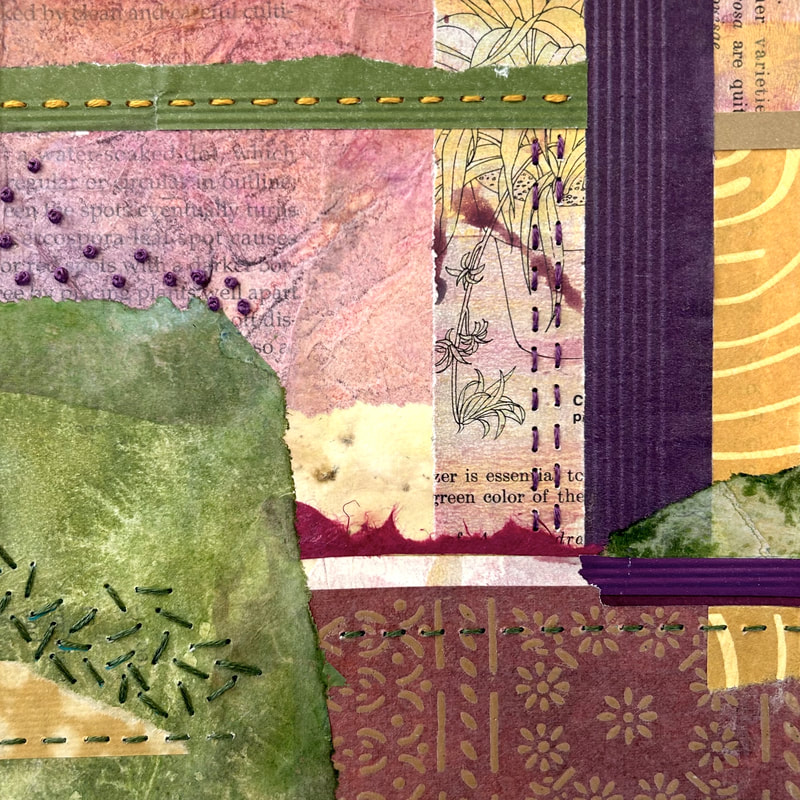
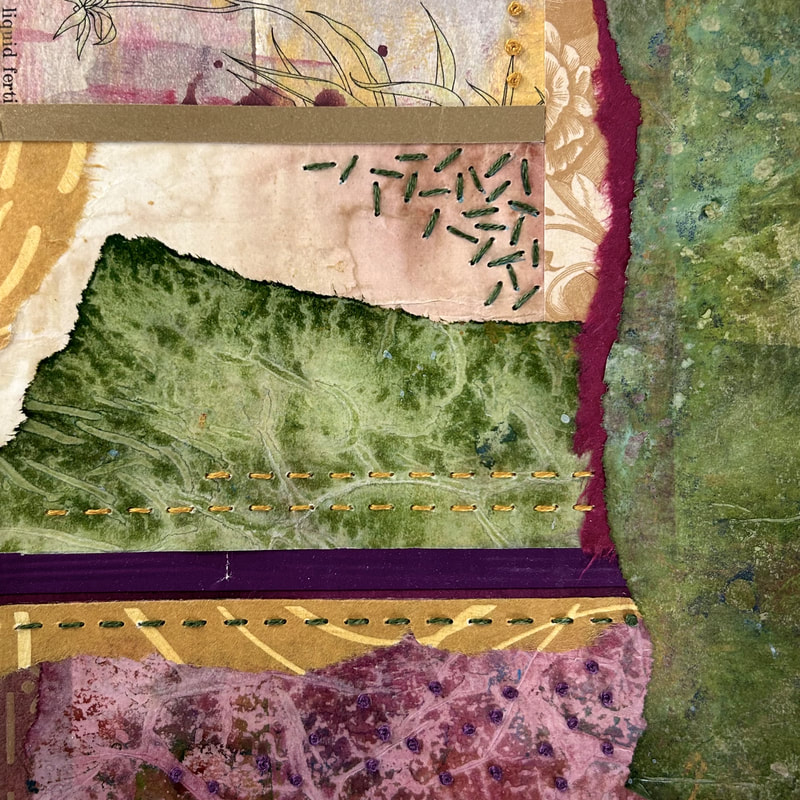
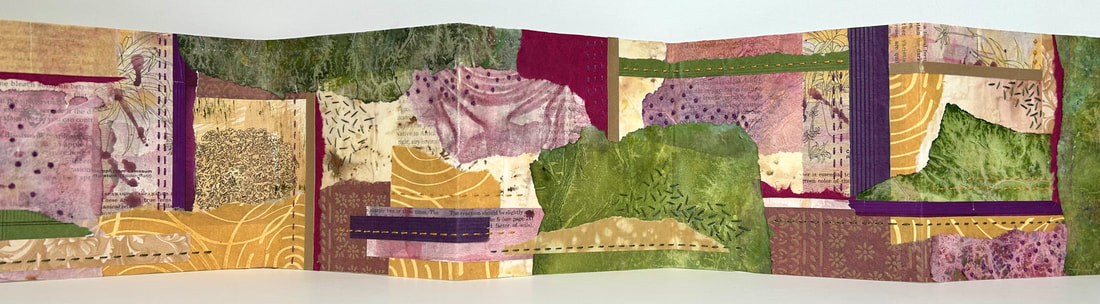
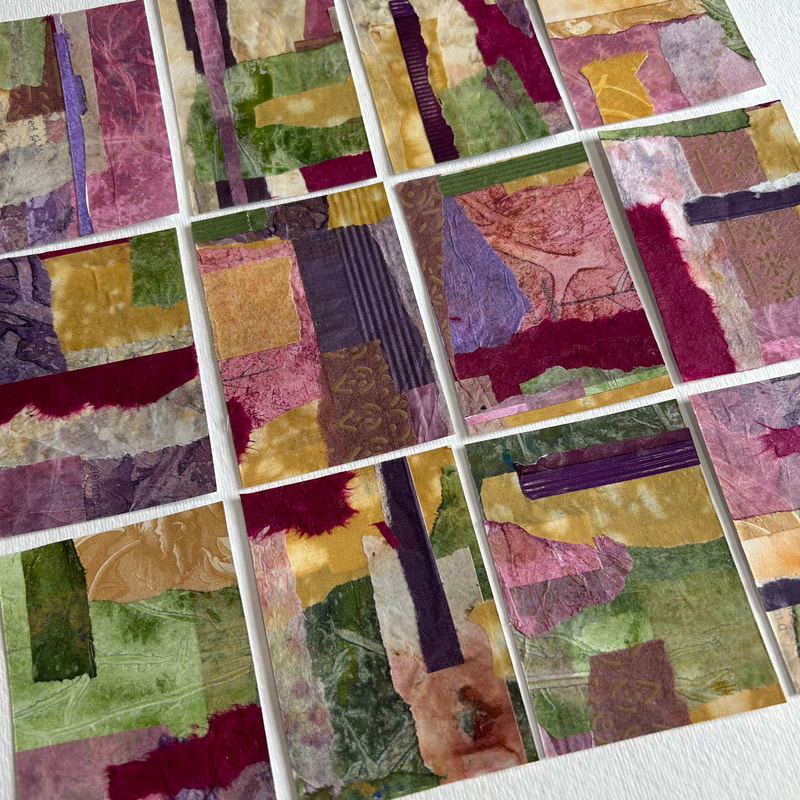
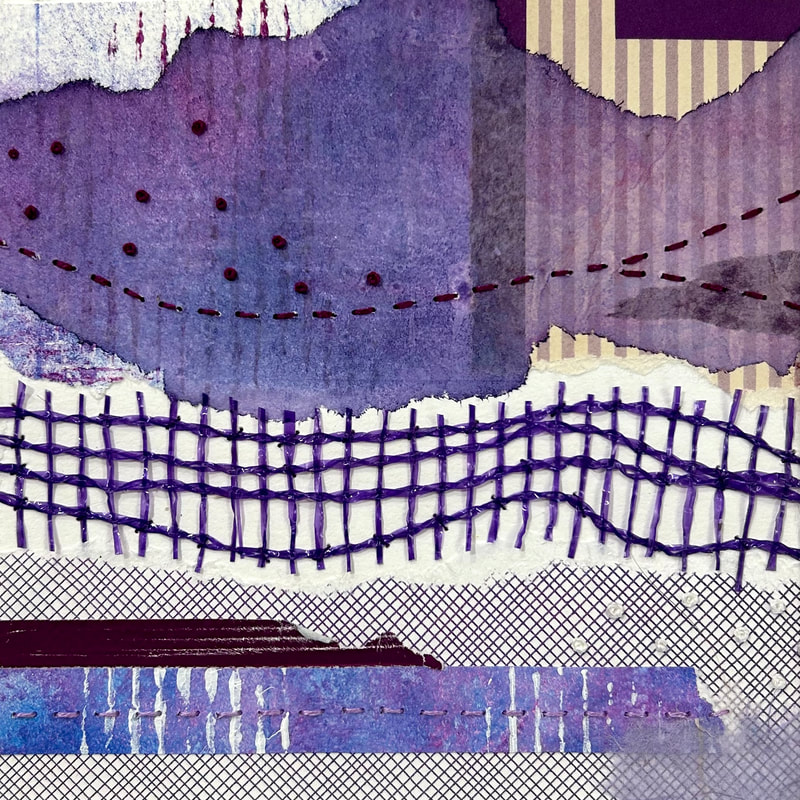
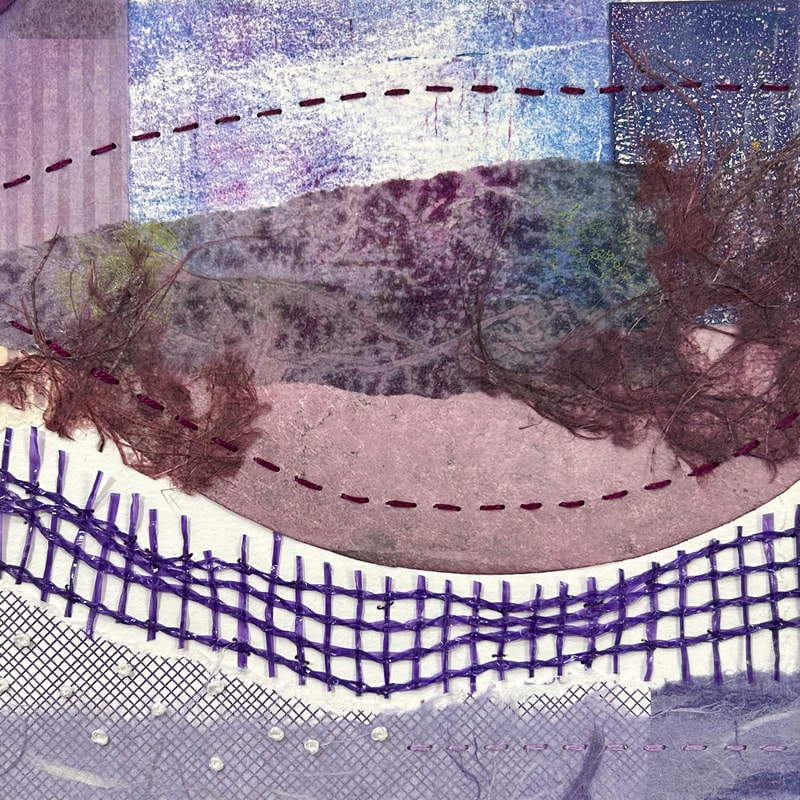
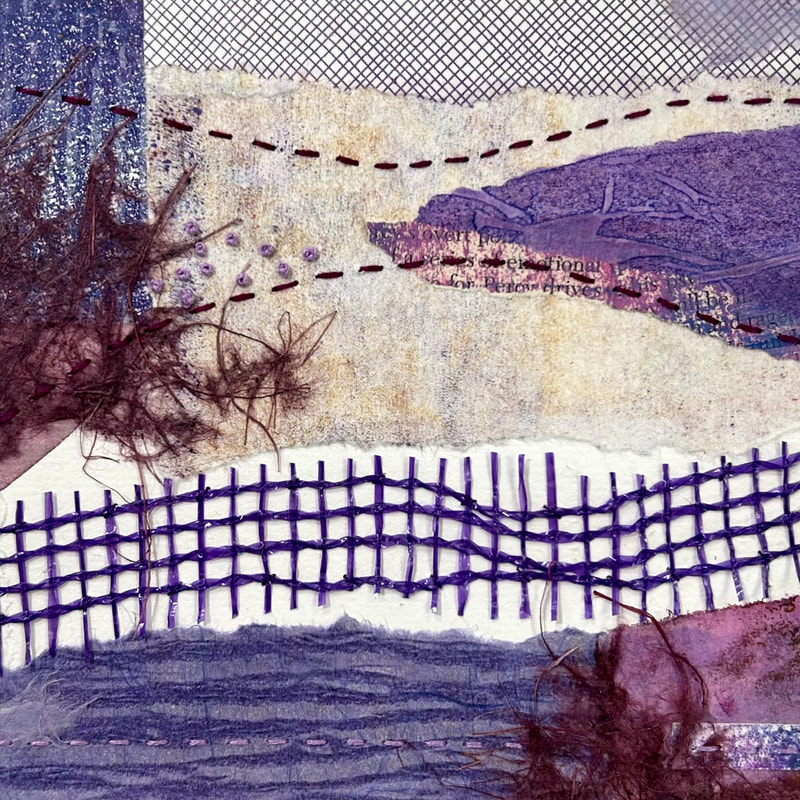
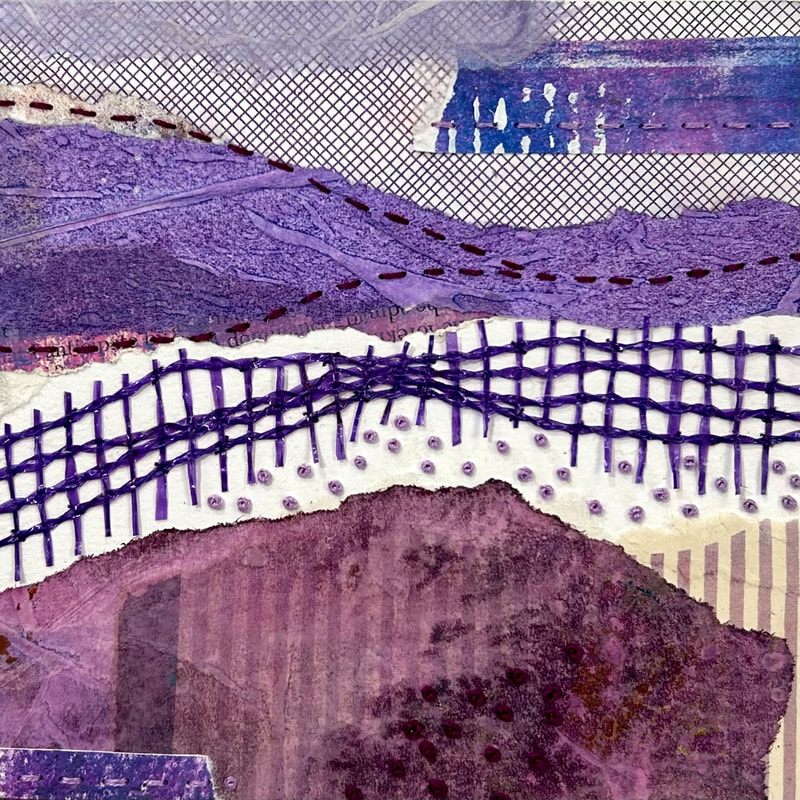
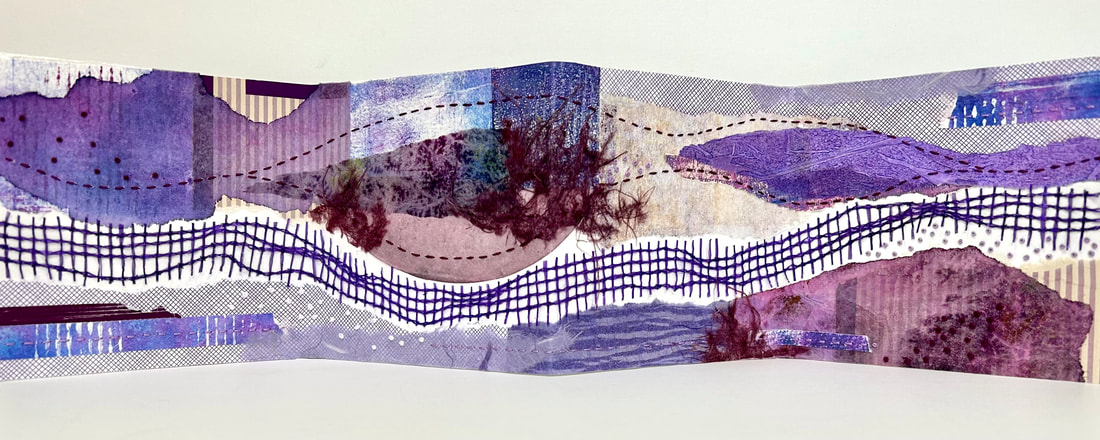
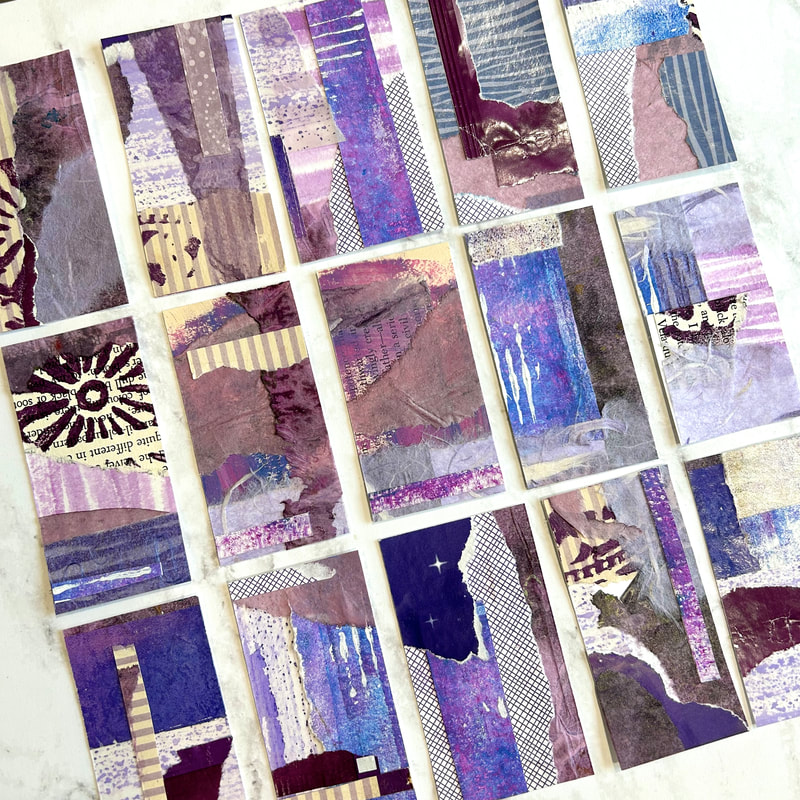
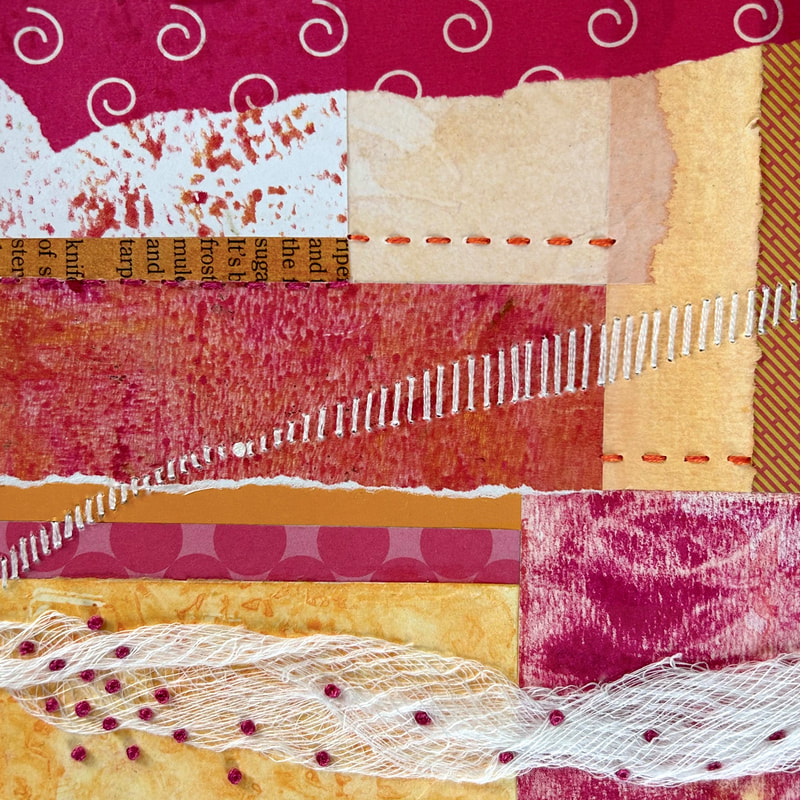
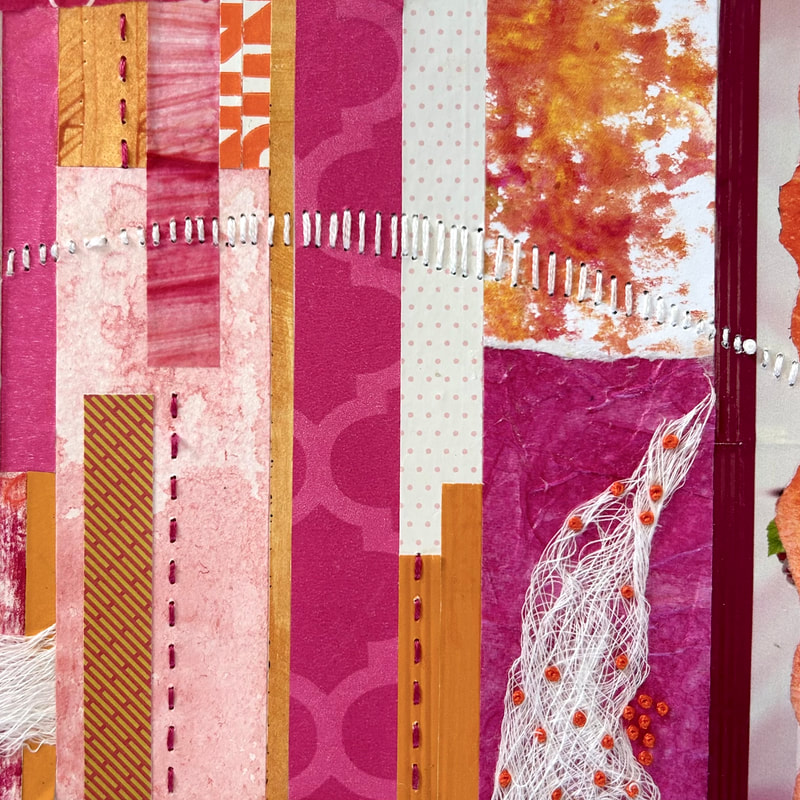
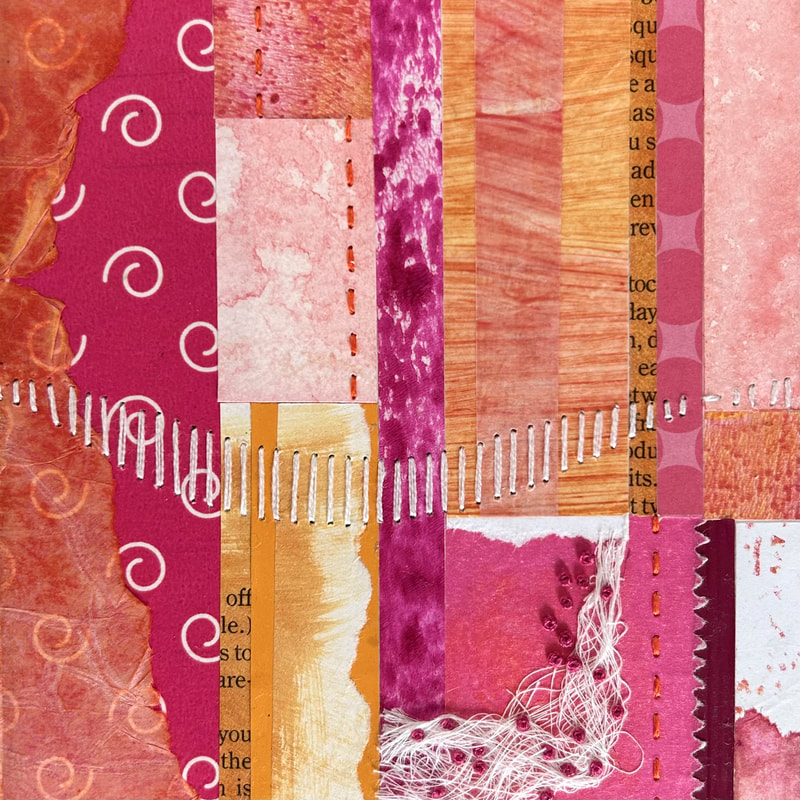
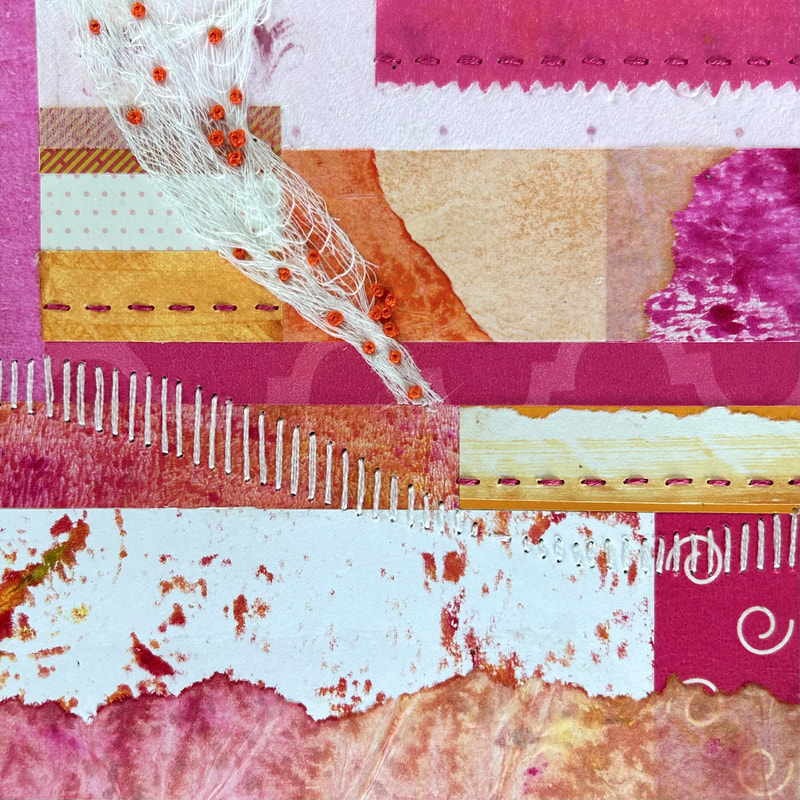
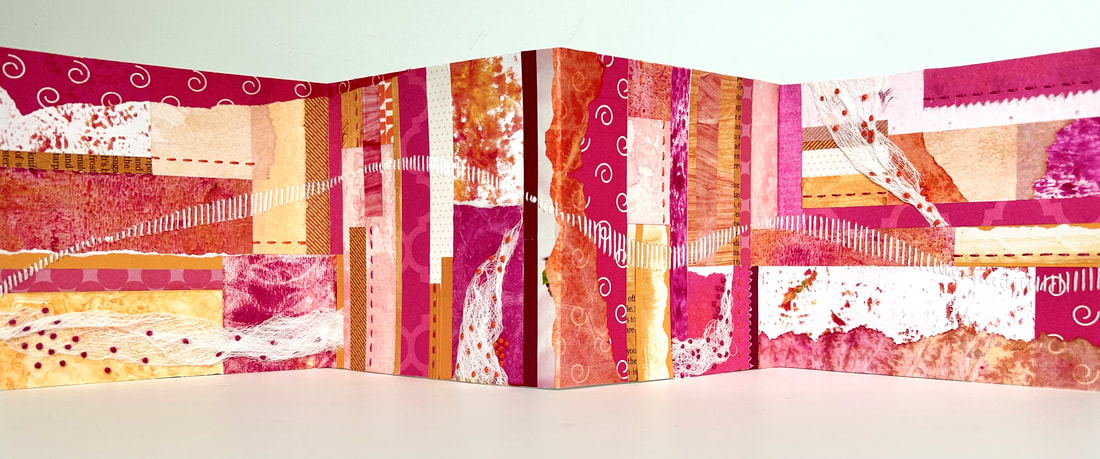
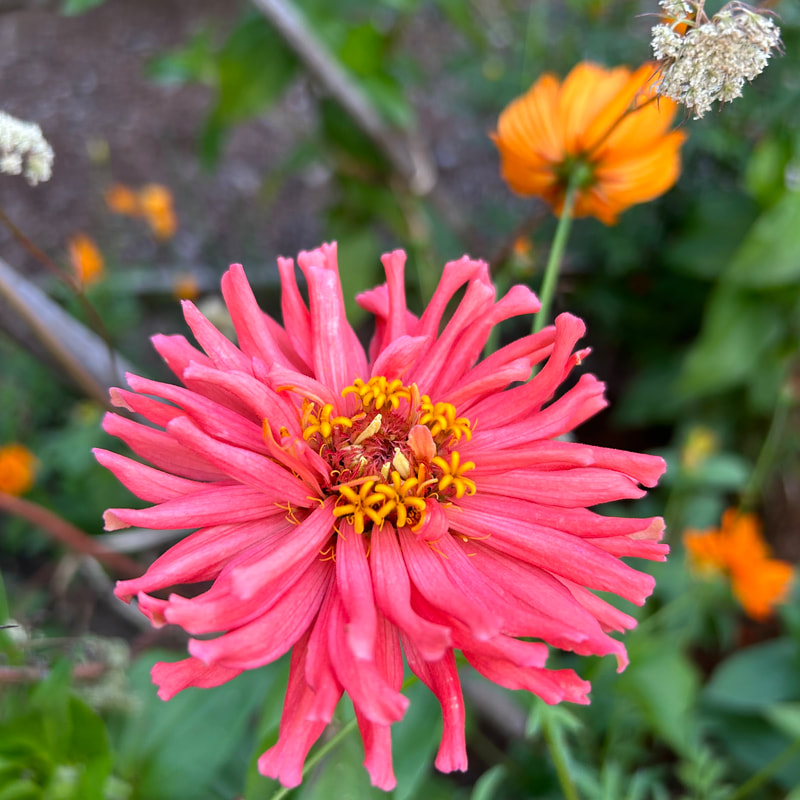
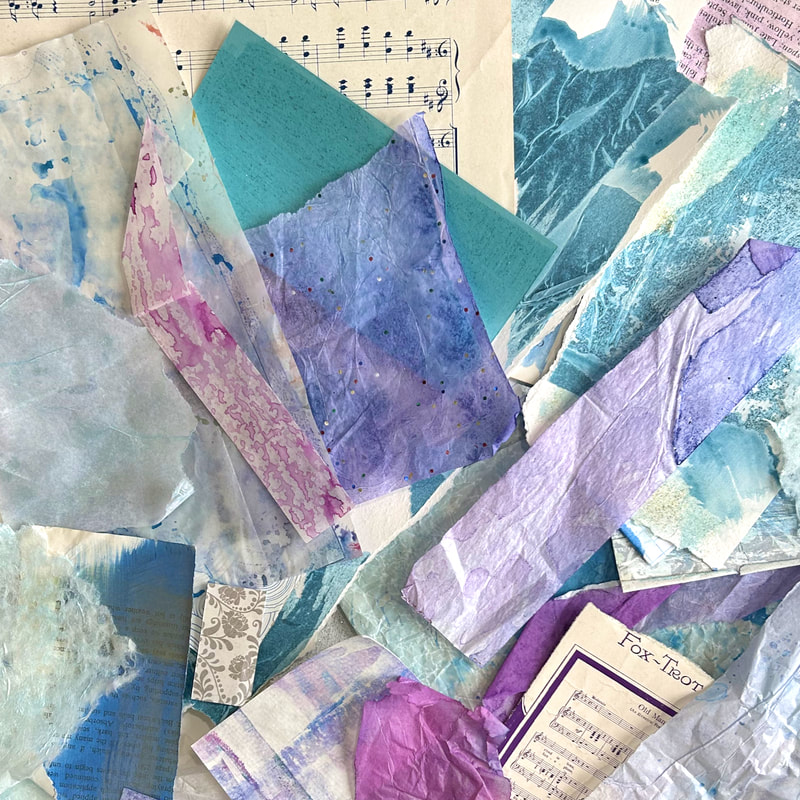
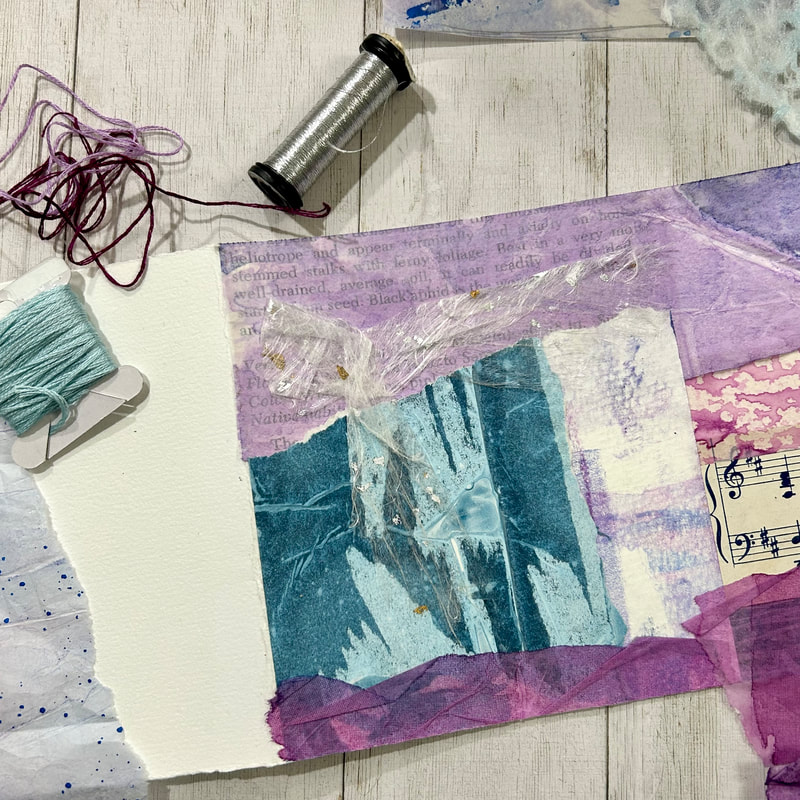
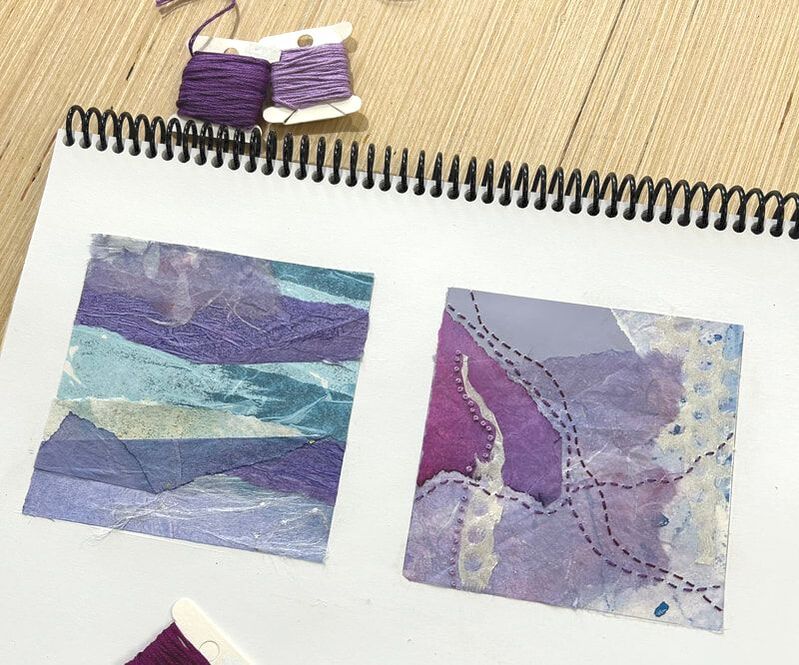
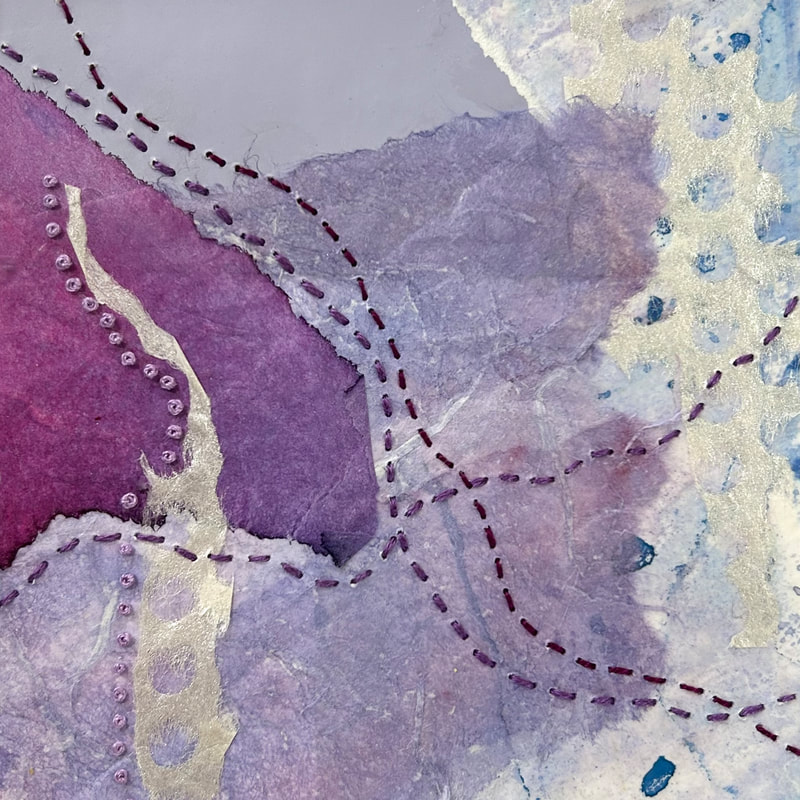
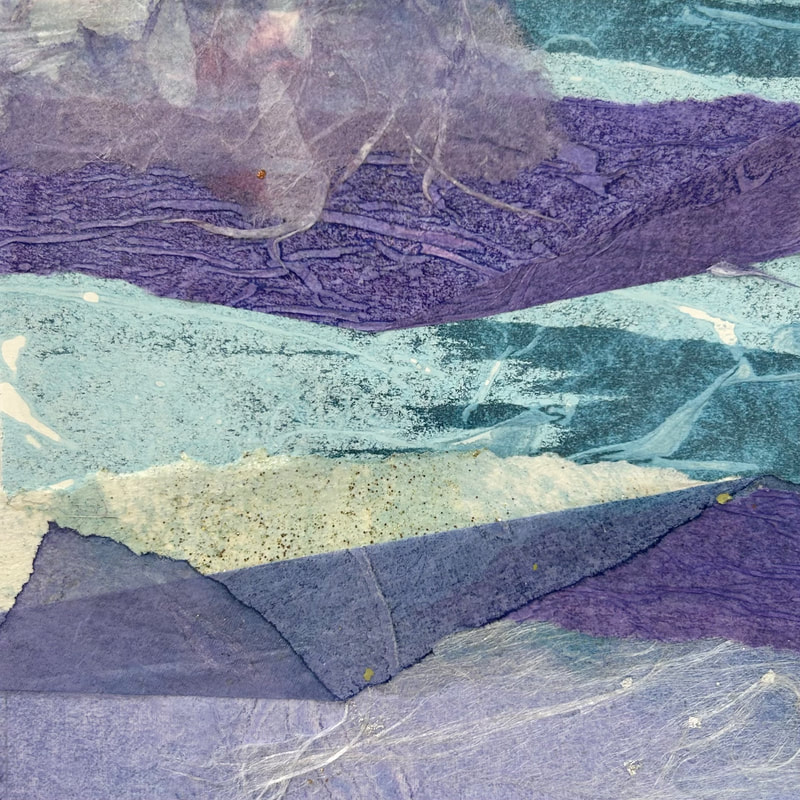
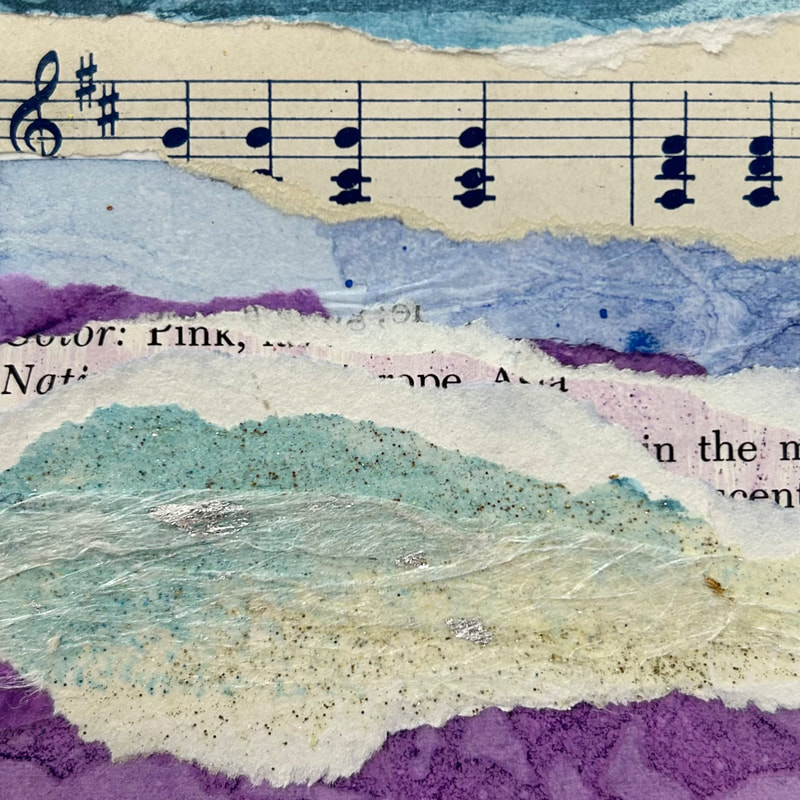
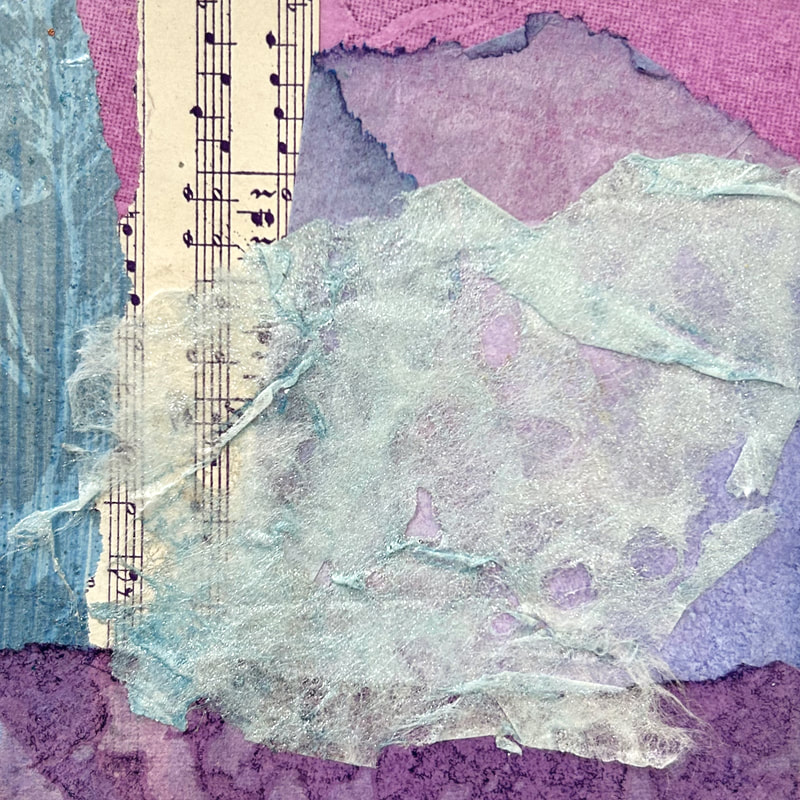
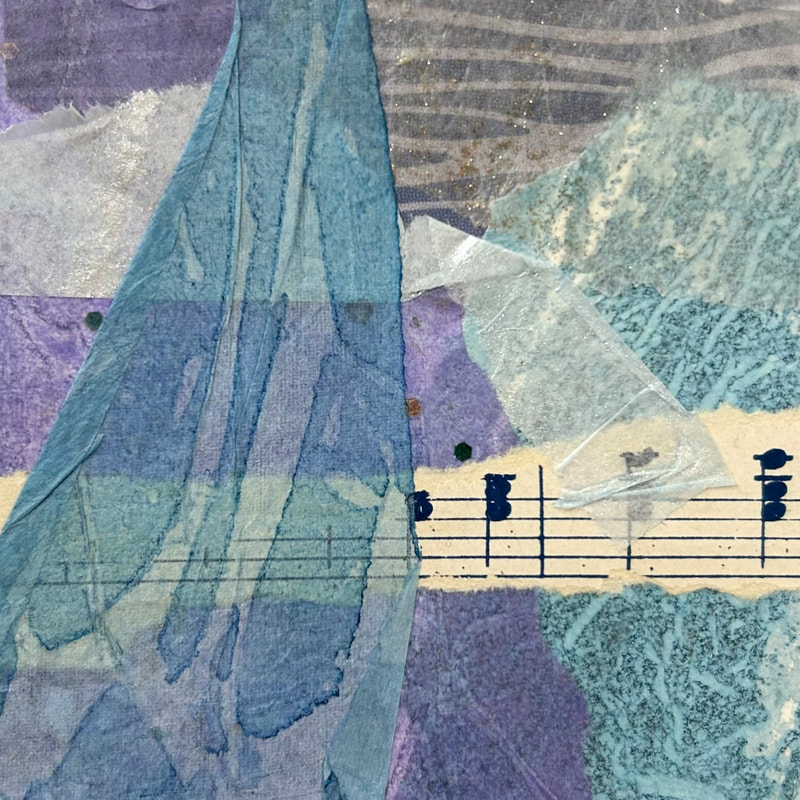
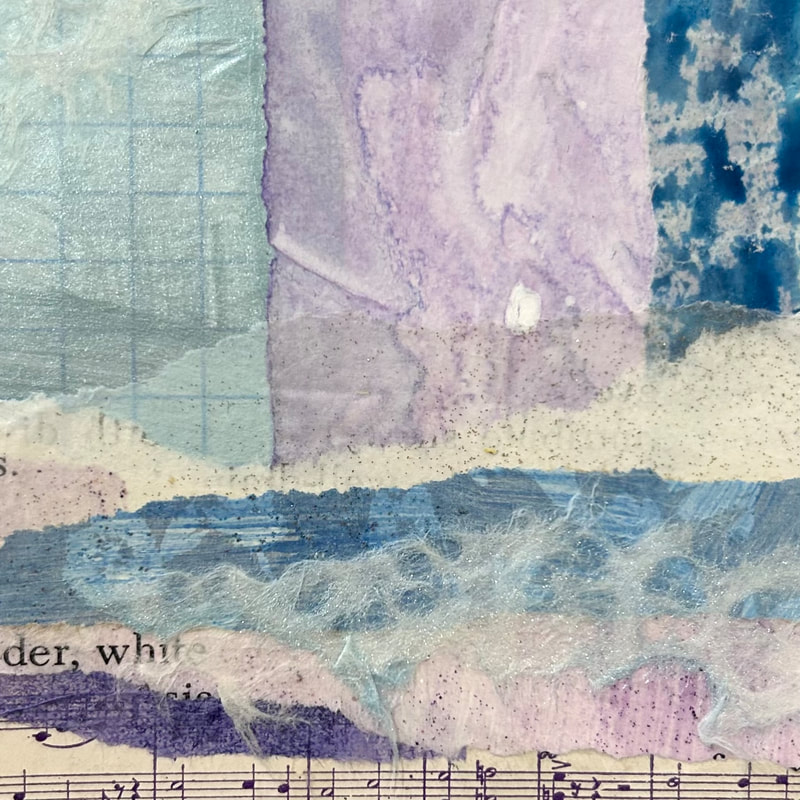
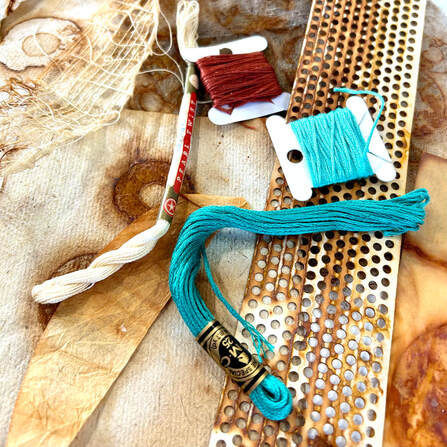
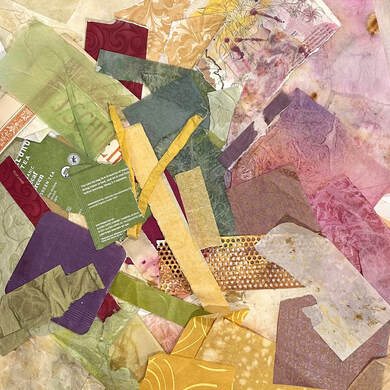
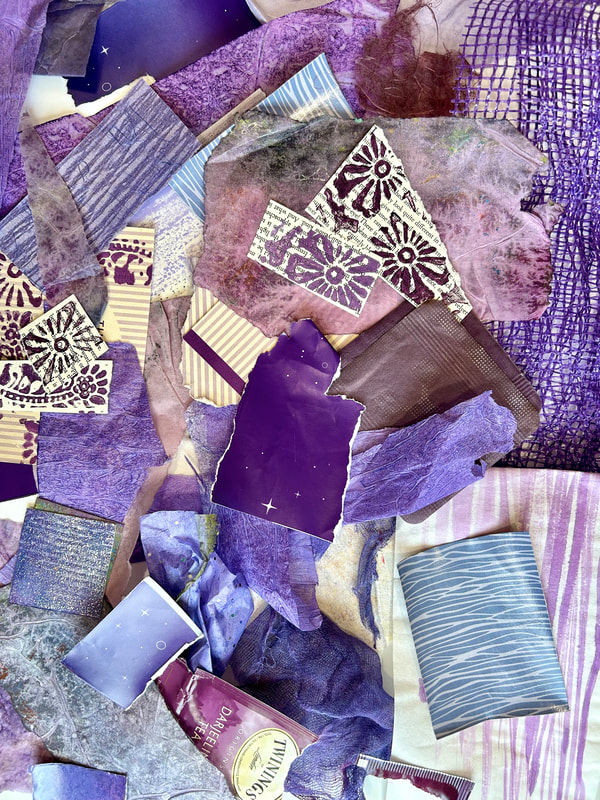
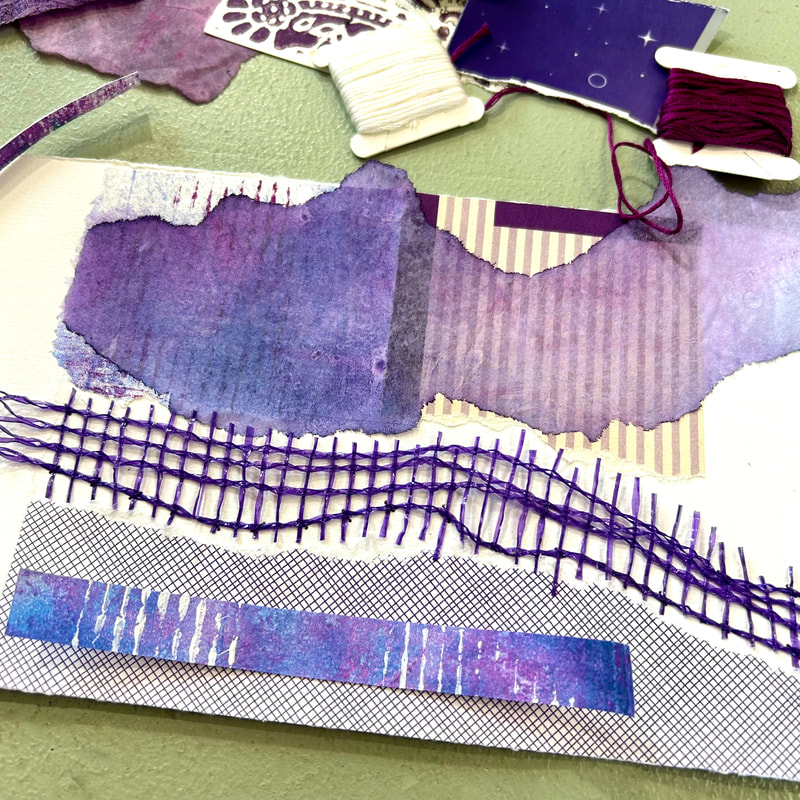
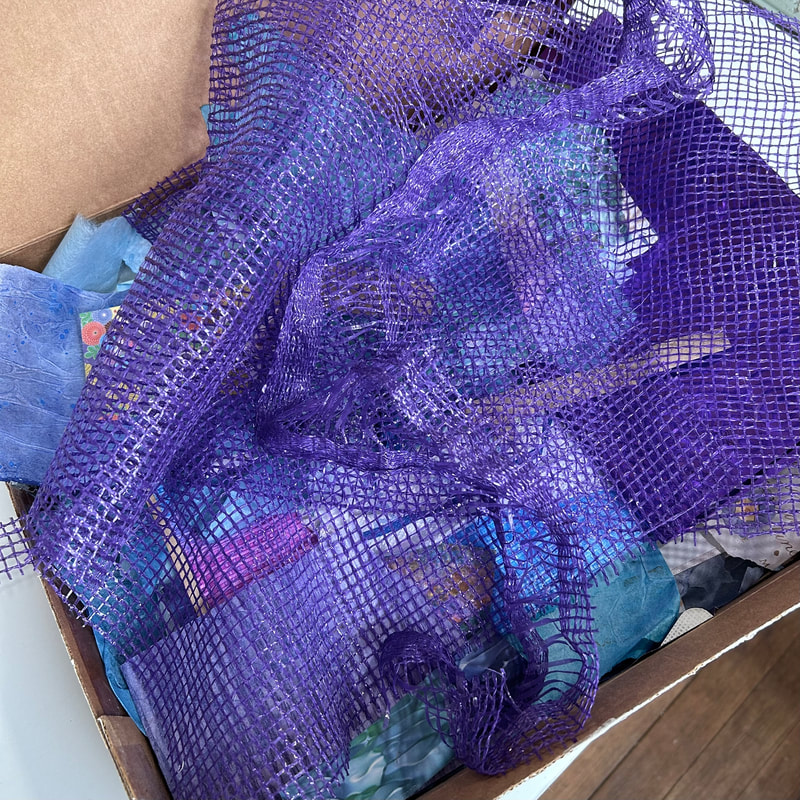
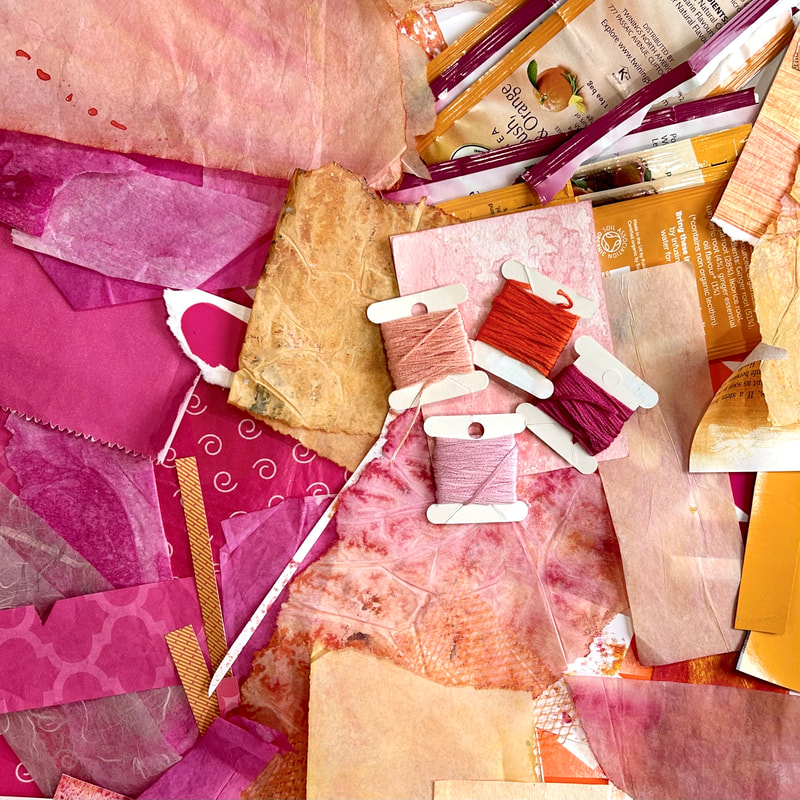
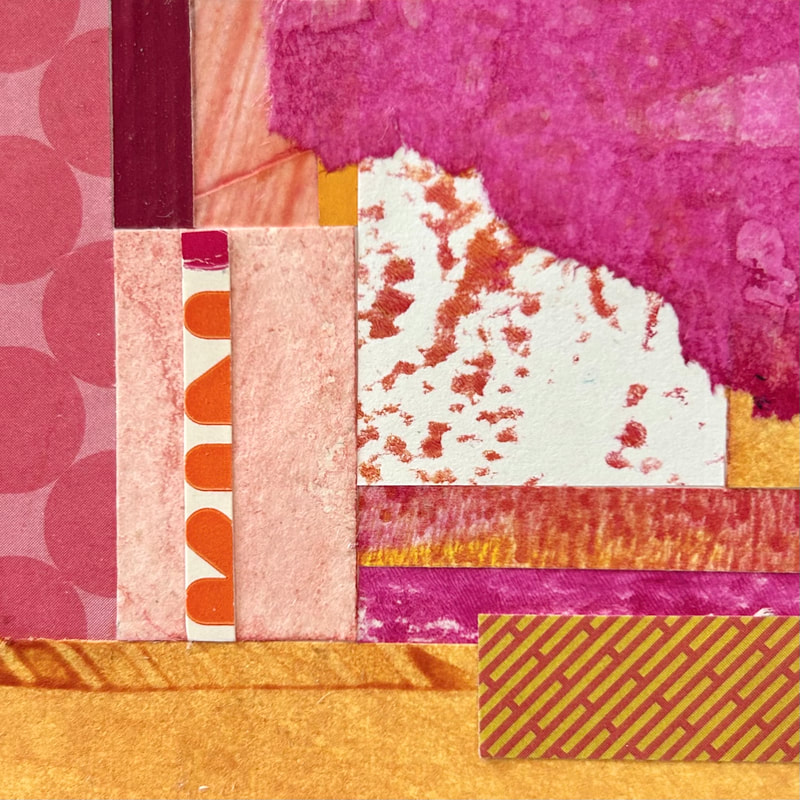
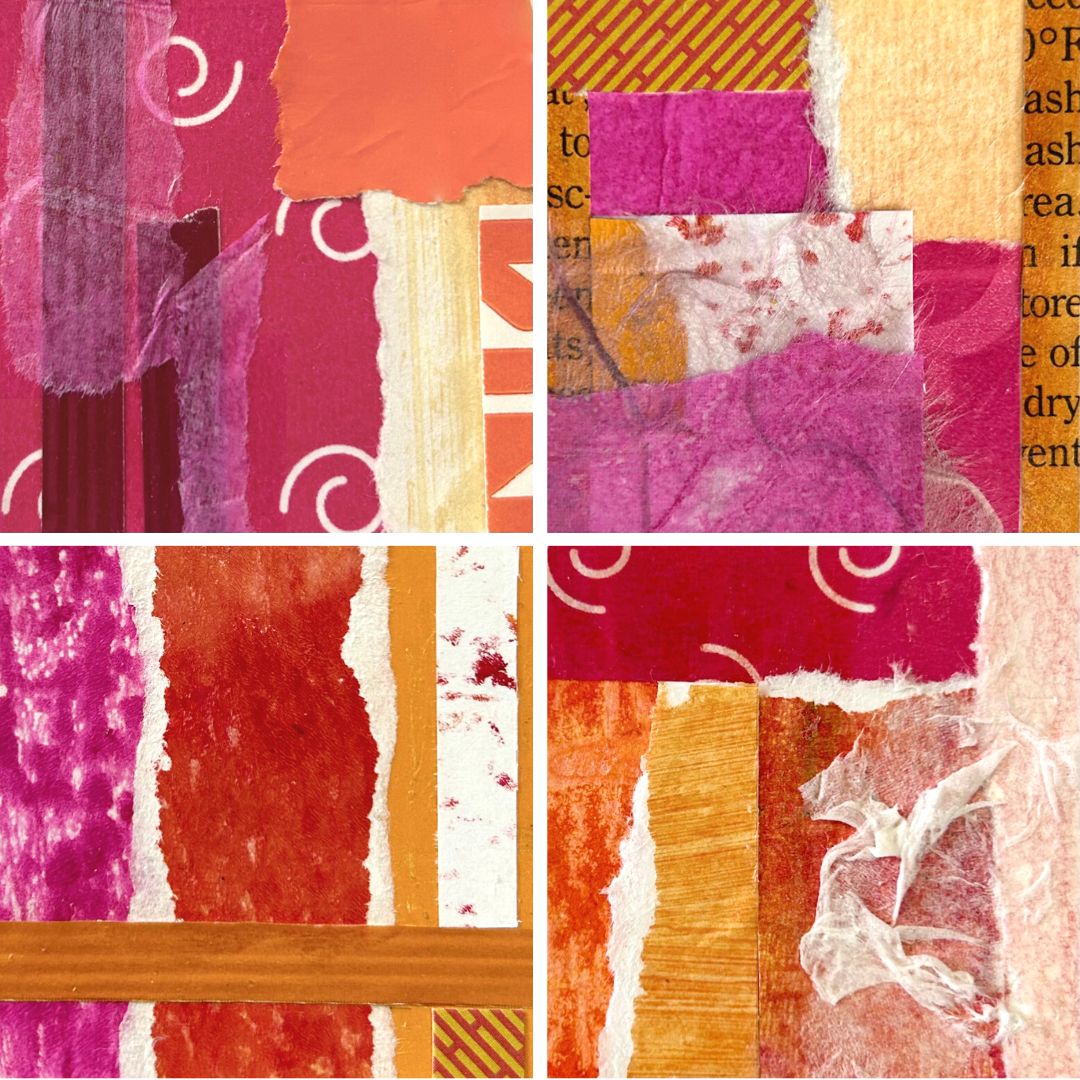
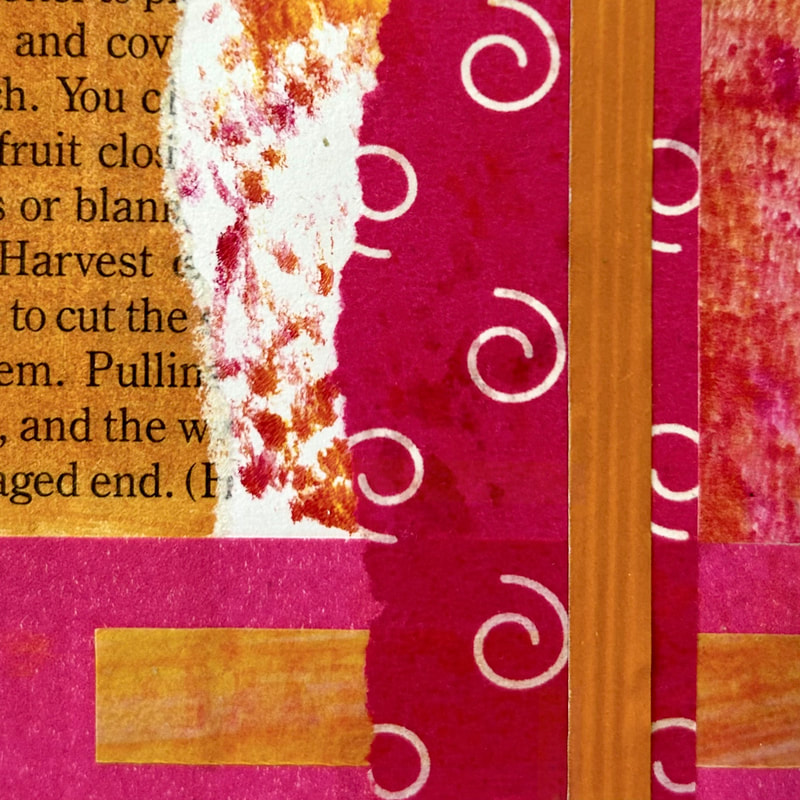
When I made my first sketchbook collage in 2016, I had no idea it would eventually become a weekly practice, or how much my work would change and evolve over the next nine years. In early 2016 I left my full-time job and was looking for a low-stress creative outlet. After years of making complex mixed media collages, I wanted something simpler and less time-consuming. I wanted this practice to be about discovery and play with my favorite material, paper, rather than creating finished pieces for exhibition. With sketchbook in hand, I began working on the pages whenever the mood struck. I had no expectations and no big plans. Between 2016 and 2018, I used two sizes of sketchbooks, one a 5.5 x 8 inch sketchbook and the other a 9 x 11 inch sketchbook, depending on the paper I felt like using that day. The idea for a weekly Monday Morning Sketchbook Collage came in early 2019. Monday felt like the perfect day. It gave me a creative boost at the start of the week, before I had to focus on the essential (and often boring) tasks that come with running a small business. Adding Hand Stitching to Paper CollageI had been adding thread here and there to a few collages, but in August of that year, I added my first real stitches to a collage. From then on, stitching found its way onto almost every page. It wasn’t fancy, just simple straight lines and a few French knots. The stitching brought me back to earlier days, when my mother and grandmother taught me how to embroider. I didn’t make a collage every Monday that year, but by the end of December, I had a collection of 28 collages. Examples of my first stitching on paper In 2020, I committed to making one collage every Monday morning. I needed a new sketchbook and, once again, chose to work in two sizes. This time it was a small spiral-bound 4 x 6 sketchbook and a larger 8.5 x 11 one. As the weeks went on, I began experimenting more intentionally with color combinations and composition, and I paid closer attention to the materials I was using. I was slowly building a collection of collage materials, many of which were items that most people would discard or recycle without a second thought. Repurposing: Materials I Love to UseThat way of seeing didn’t come out of nowhere. The thirteen years I spent living in Southern California slowly reshaped how I viewed the world and the resources around me. Growing up on the East Coast, water felt abundant, something we rarely thought about. In California, where we arrived during a severe drought, conservation became part of daily life. We adjusted our habits, became more mindful about water use, and carefully sorted glass, plastic, and paper to comply with local recycling programs. Now, before I discard or toss something into the recycling bin, I pause: I look for color, texture, and possibility. Below are a few examples of the papers and found elements I like to use in my work, each one carrying traces of that shift in awareness. A sampling of some of the materials from my collage stash that will likely be repurposed in my work. Security envelopes became such a favorite material to use that I eventually built an entire class around them, Mailscape Collage, where I share ideas for using this everyday paper in new ways. In August of 2021, after finishing a collage in my larger sketchbook, I had the idea to make another collage from the leftover scraps. Then another and another. I kept going until I ran out of usable scraps and ended up with five additional collages in the smaller sketchbook. Of the six collages, my favorite is the first one I made in the small sketchbook that reminds me of a sailboat in the water. In 2022, I worked in a 6 x 6 square book that I had made the previous November. Switching to a square format felt like just the right change. The book was filled with thick printmaking paper, which held up beautifully to stitching. I was still committed to one collage every Monday, but I made one important change. I dropped “morning” from the title. The collages were becoming more complex, and I was now incorporating stitching into every piece. Feeling pressured to finish before noon was taking away some of the joy, so renaming it to Monday Sketchbook Collage gave me the flexibility to work whenever it fit best into my day. In March, I began creating a second small collage from that week's leftover scraps. These were made on watercolor paper in a variety of sizes, ranging from as small as 1.5 x 1.5 inches to as large as 4 x 4 inches. Many times, I ended up liking the smaller collage better than the original larger one. It became a playful exercise in working with limited supplies, an idea I later brought into my Sketchbook Collage Workshop. By the end of December, I had completed 66 collages. You can see a flip-through of this sketchbook on my YouTube Channel. If I were going to continue the Monday collage project in 2023, I knew I needed a bigger change to keep things fresh. Even though it would likely take more time, I challenged myself to work in a concertina-style sketchbook. I cut twelve long strips of paper and divided each into four or five 5-inch panels, depending on how many Mondays were in each month. As expected, each panel took longer than the sketchbook pages I had worked on in previous years. While I could still focus on one panel at a time, I also had to consider the panels before and after it so the entire strip would feel cohesive. I limited myself to one color palette per month. It required more concentration, but I embraced the challenge, and it was especially satisfying to see each finished strip laid out on the last Monday of the month. After completing the January strip, I began using as many of the leftover scraps as possible to make a series of quick, intuitive collages in a range of small sizes. This became a companion practice that I returned to each month, a way to loosen up after the focused work of the concertina panels and to make use of every last piece of paper. That approach eventually made its way into a free Speed Collage Class I shared on my YouTube channel for World Collage Day. Spring Greens and Repurposed MaterialsApril’s concertina strip turned out to be one of my favorites that year. I worked with spring greens and repurposed a wide variety of materials, including parts of a postcard, a tea box, two tissue boxes, tea bag wrappers, an envelope liner, and packaging cardstock. To see the colors and materials I chose for the other eleven months, click here. In 2024, I returned to a traditional sketchbook. While I enjoyed experimenting with a different format the year before, I missed the spontaneous nature this way of working allows. The sketchbook I used was one I made myself, filled with printmaking paper that I especially love for stitching. Natural Materials: Garden to Sketchbook I press and dry a lot of plant material with eco-printing in mind, but sometimes I see a leaf or flower I want to save simply because I like it. Many of those elements found their way into this year’s sketchbook. Shown below are a clematis flower, leaves from a rose bush, dried hydrangea flowers, and bark from a river birch tree. By October, I had filled every page of the sketchbook. I finished the year collaging on watercolor paper cut to the same size, continuing the practice without interruption. In total, I completed 52 collages. When 2025 arrived, I hadn’t made myself a new sketchbook, and the first Monday in January came quickly. This year, I chose to work on 5.5-inch squares of watercolor paper instead, and shortened the name of the project once again, simply to Monday Collage. The Ring Knot Stitch DiscoveryAlong the way, I discovered a new stitch called the ring knot stitch. Casual and loopy, they were a nice visual change. They were almost as fun as making French knots, which didn’t surprise me once I learned it’s sometimes referred to as a “lazy French knot.” As 2026 approaches, I find myself wanting to make another change. There are so many things I’m excited to work on that returning to something simpler and less time-consuming feels necessary. I’m thinking I’ll move back to a sketchbook again. Limiting materials has always saved time, but it also pushes me creatively, so I may keep each collage to five to seven pieces of paper, with minimal stitching. |
| As always, it was amazing to see how everyone brought their own unique flair to the process. If you missed the class but would like to make your own zine you can see the recording on my YouTube channel. |
Below you can see some of the zine pages that were made during the class.
| Dawn | Francine |
| Brenda | Dawn R. |
Recently, I went to Estate Treasures and Services in Middletown, CT—a massive warehouse packed with everything from furniture to rickrack. Tucked along a back wall, I spotted a bookcase stacked high with the largest collection of piano roll paper I’d ever seen in one place. My first thought? You already have two boxes—you don’t need more. But, of course, curiosity won, and I had to take a peek inside a few.
To my surprise, these rolls weren’t just the usual light tan I knew of. These were manila, white, translucent white, and even a darker tan variation. I bought 5 boxes - they were only $2 each!
.
In the photos above and below you can see the variety of punched slits and holes. Each one so unique. Two have words which I'm assuming are the song lyrics and notes about tempo.
I’ve loved using piano roll paper in my collages, and now, with these new colors, the possibilities have expanded. The sturdier manila and white rolls are especially exciting. They are less brittle so I’m already imagining them as pages in future bookbinding projects.
Below are the 2 rolls that a friend gave me a year or so ago and some examples of how I used them.
This one of my favorite book binding projects. I randomly glued the piano roll paper onto two large sheets of printmaking paper.
Then cut them into smaller pieces to become the pages for this book.
Author
Hi, I'm Kathy an artist working in the mediums of collage, eco-printing, rust printing, and slow stitching who loves to teach. I enjoy sharing my process and guiding you on your creative journey.
Archives
January 2026
May 2025
March 2025
February 2025
January 2025
December 2024
December 2023
November 2023
October 2023
September 2023
August 2023
July 2023
June 2023
May 2023
April 2023
March 2023
February 2023
January 2023
December 2022
October 2022
September 2022
July 2022
May 2022
April 2022
March 2022
February 2022
January 2022
December 2021
November 2021
January 2021
December 2020
April 2018
Categories
All
Collage
Creative Play
Eco Printing
Exhibitions
Free Tutorials
Handmadebooks
In The Studio
Monday Sketchbook Collage
My Connecticut Garden
Online Workshops
Recipes
Rust
Stitching
Stitching On Paper
Upcycling
Workshops
World Collage Day
RSS Feed